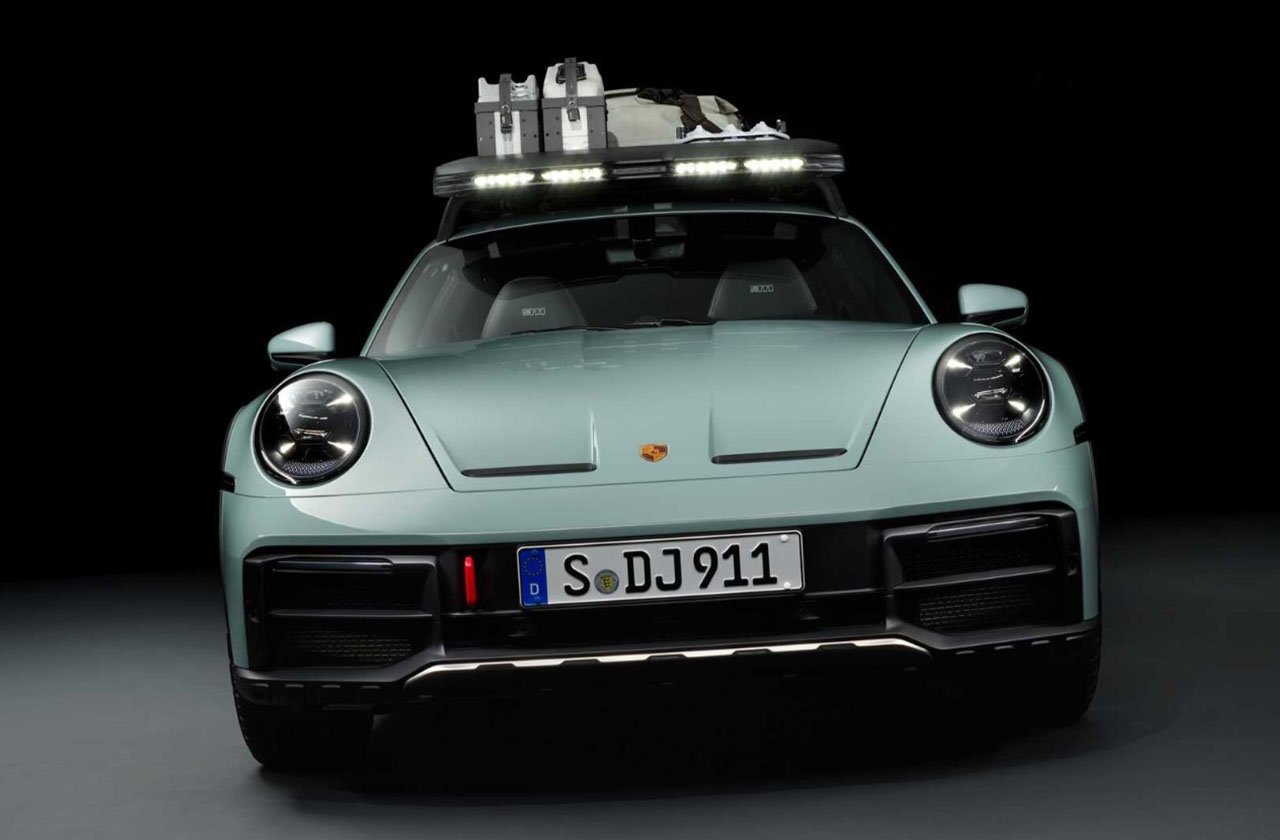
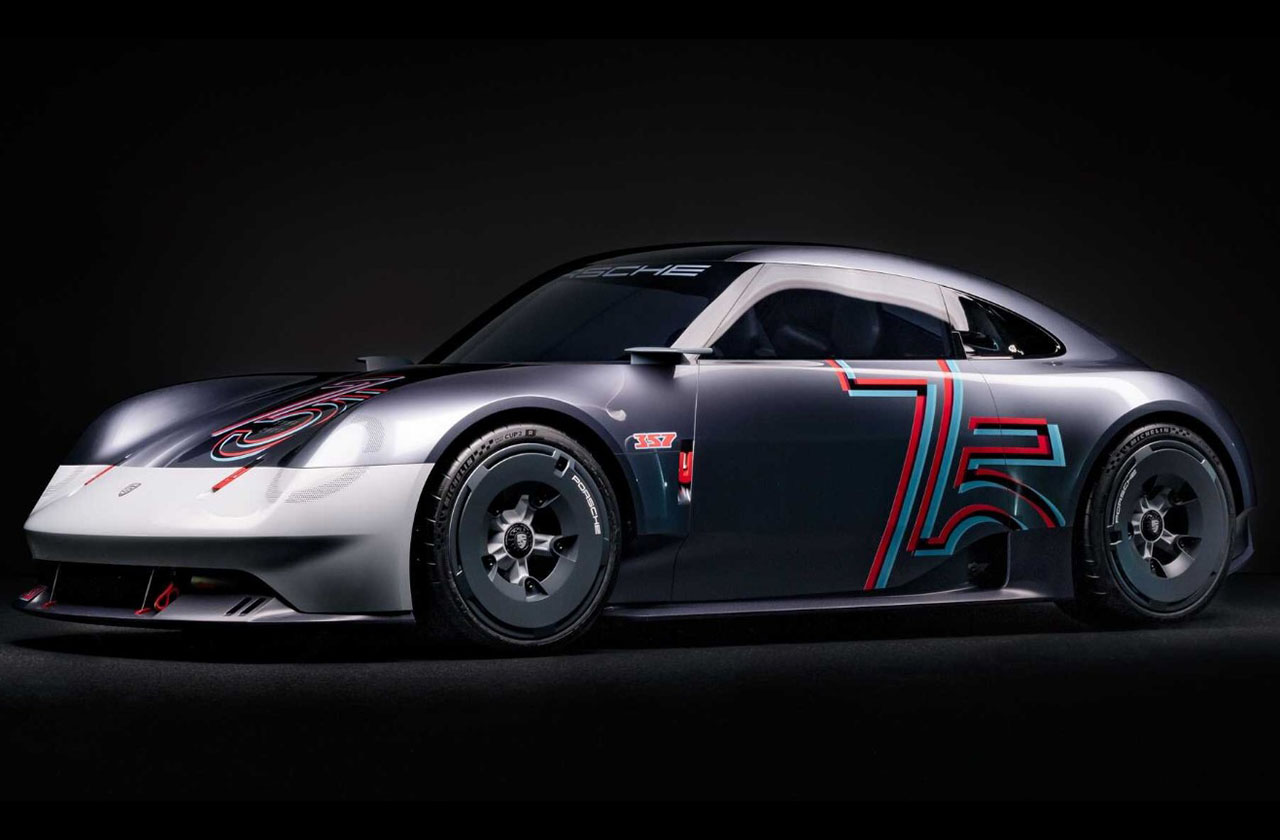
Last November, at the Los Angeles Auto Show, Porsche introduced a new generation of the 911 model. On its official YouTube channel, the Germans decided to talk about how the car's aerodynamic body kit behaves at different speeds.
When reaching speeds of 90 kilometers per hour, the new Porsche 911 raises the rear wing to the Eco position, generating downforce and slightly increasing drag. At 170 km/h and above, flaps open in the air intakes of the front bumper, and the rear wing turns to the maximum angle, significantly increasing downforce.
Also, the wing deviates to the maximum possible angle in WET mode and during emergency braking at high speeds, loading the rear axle of the car as much as possible and thus increasing the level of adhesion of the rear wheels to the roadway. In urban mode, when the vehicle speed drops to 70 km/h, the aerodynamics shift into position to reduce drag as much as possible. It is worth noting that the rear wing and flaps in the bumper work in conjunction with the PASM adaptive suspension.
By the way, Porsche has used active aerodynamics in its models before. So, on the 911 of the previous generation, at speeds over 120 km / h, the front splitter and rear wing simultaneously deflected. Similar solutions are also used on Ford, Ferrari, Lamborghini, Lexus, Koenigsegg, McLaren, Pagani, Alfa Romeo, Bugatti supercars, and in the mid-90s of the last century, the Mitsubishi 3000GT coupe had active aerodynamics.
Porsche Explains How Active Aerodynamics Work on the 911 Coupe