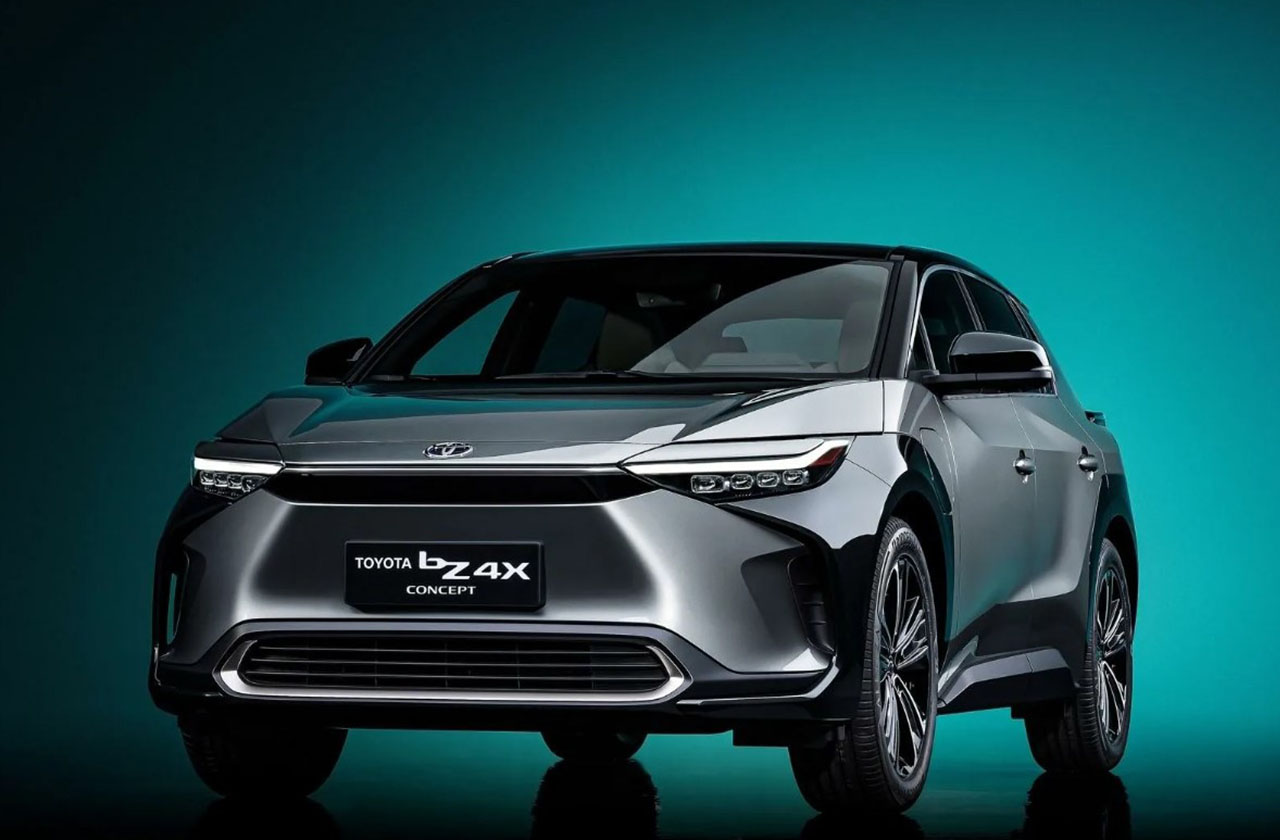
Many people are concerned about climate change, but not everyone should drive a battery electric vehicle as a means of combating this phenomenon. Gill Pratt, Chief Scientist of Toyota Motor Corp., said this at the Reuters Events automotive forum.
According to him, Toyota believes that the "diversification of power plants" will allow the company's customers to choose different tools to reduce CO2 emissions. “It is not for us to predict which solution will be the best, or to say that only this will work,” he said.
Government subsidies and bans should be aimed at reducing carbon emissions, rather than simply choosing auto technology, said Toyota Motor's chief scientist.
Toyota executives regularly speak critically of electric vehicles. In September, the company's president, Akio Toyoda, said that a full transition to electric trains would lead to the loss of up to 5.5 million jobs in Japan, and the industry would underproduce 8 million cars by 2030.
Hybrids still make a significant contribution to carbon neutrality, Toyoda says, even though they are equipped with internal combustion engines. This is because hybrids are cheaper than electric vehicles and can penetrate markets where there is no charging infrastructure.
At the same time, Toyota is still increasing investment in electric vehicles. Earlier in October, the company unveiled a plan that would see it invest $3.4 billion to manufacture traction batteries in the US.
Toyota says electric cars aren't for everyone