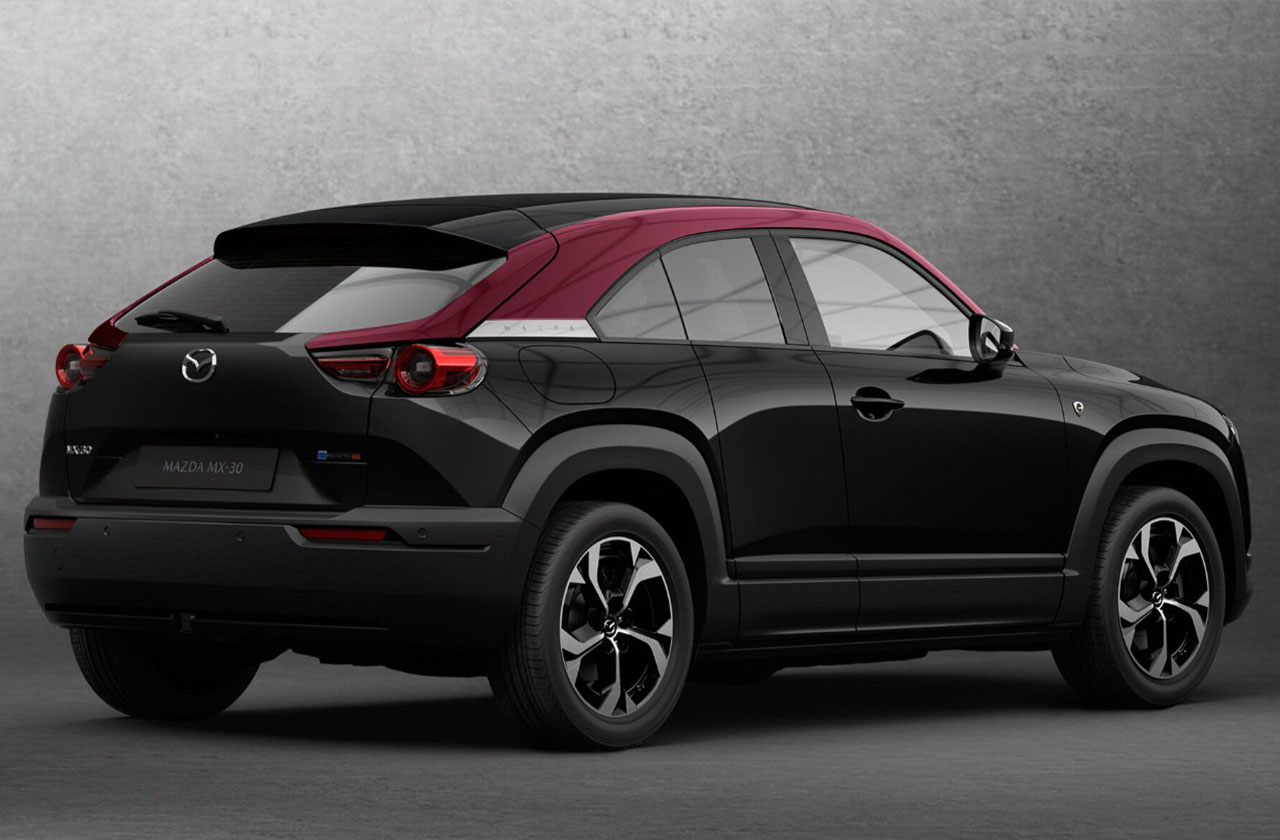
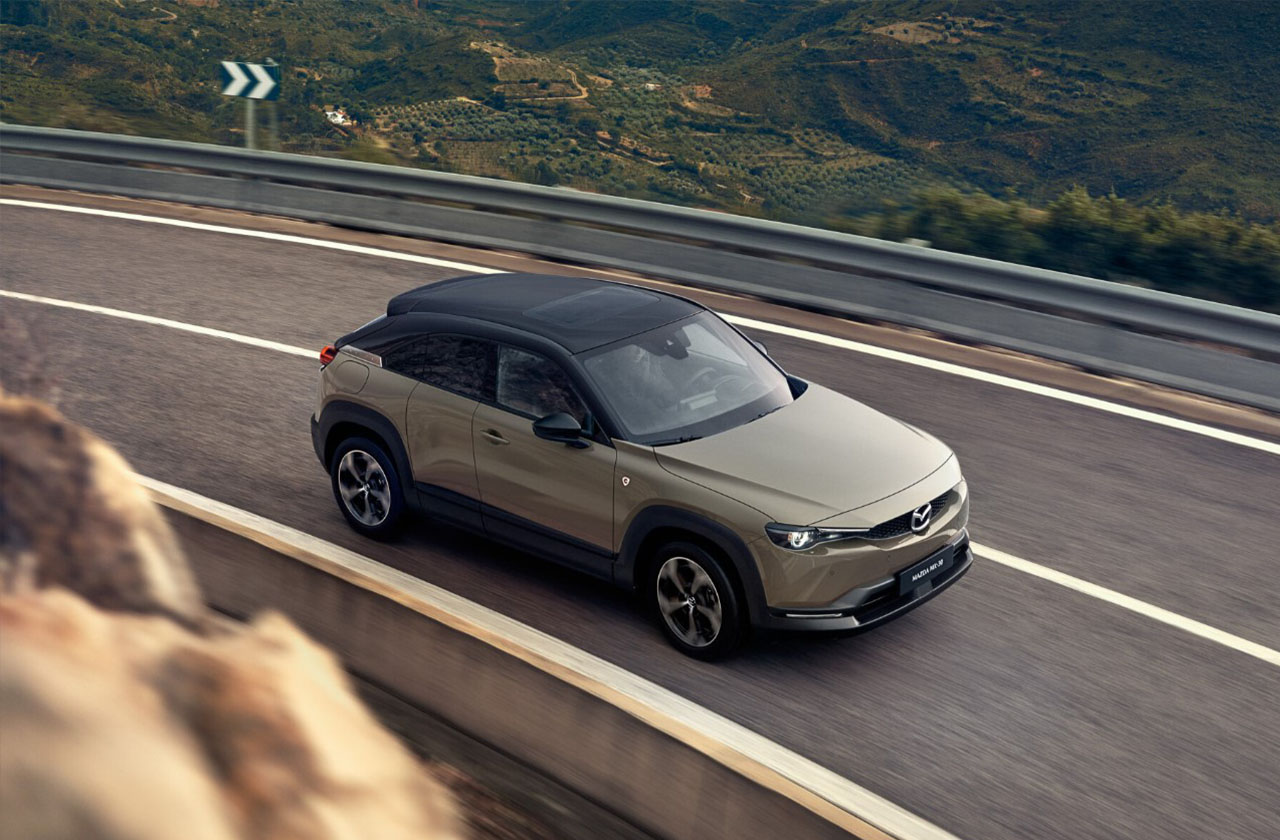
At the international motor show opened in Brussels (Belgium), Mazda Motor introduced a new modification of the sports crossover MX-30 - a sequential hybrid with a Wankel gasoline rotary piston engine (RPD) in the composition. The novelty bears the prefix e-SKYACTIV R-EV in its name and is the first serial Mazda with RPD in 11 years - since the RX-8 coupe was discontinued.
Recall that in a conventional piston engine, the energy of combustion of the air-fuel mixture is first converted into the reciprocating movement of the piston group, and only then into the rotation of the crankshaft. In a rotary engine, this happens without an intermediate stage, which means with less losses.
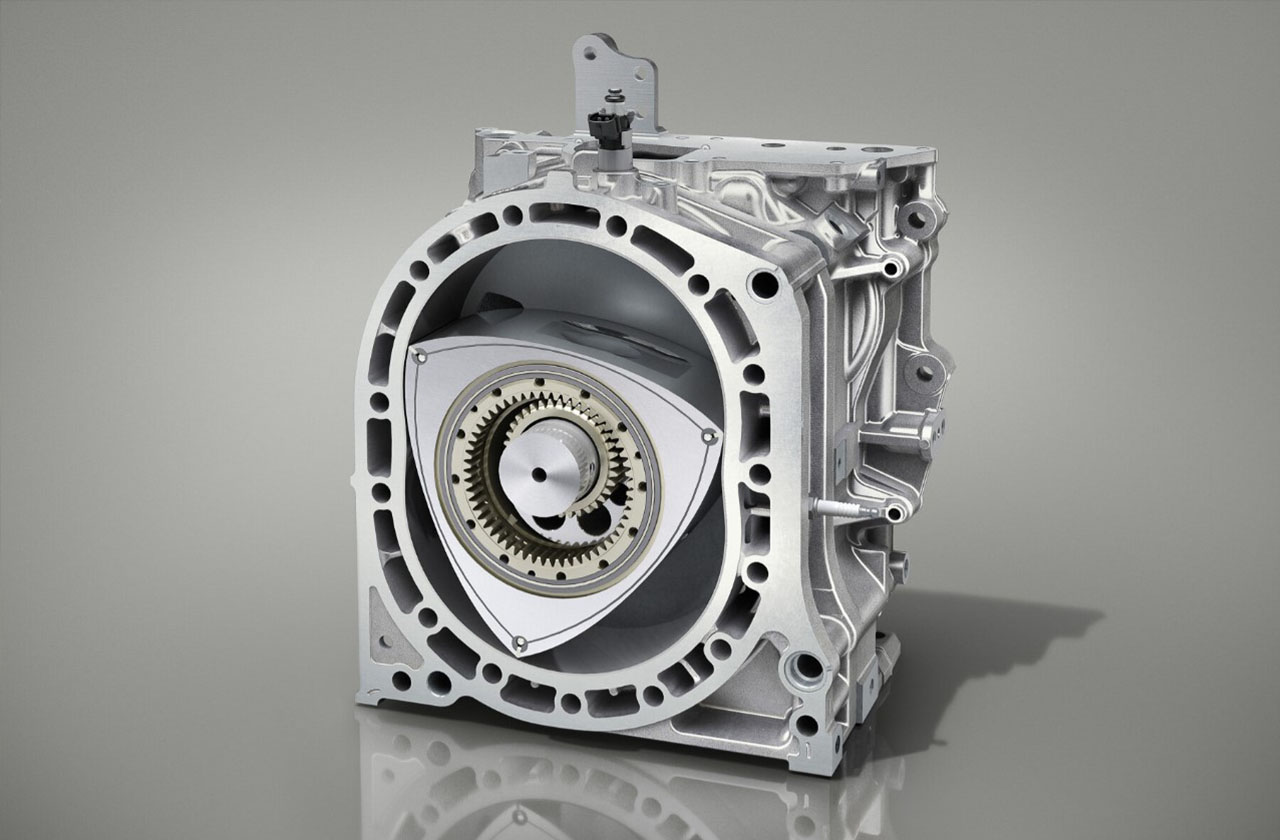
A feature of a rotary piston engine is the use of a trihedral rotor (piston), which has the form of a Reuleaux triangle, rotating inside a special profile cylinder.
The advantages of a rotary piston engine over conventional piston engines are low vibration levels, high power density, small dimensions and weight, and fewer parts. Disadvantages - faster wear of rubbing parts and seals, increased fuel consumption at low speeds, low maintainability.
In the Mazda MX-30 e-SKYACTIV R-EV, the internal combustion engine is not connected to the wheels, but is used to recharge the traction battery through a generator. At the same time, the hybrid system provides for the possibility of recharging the battery from an external network.
The factory index of the new rotary piston engine is 8C. It has a one-section design and a working volume of 830 cc. cm, power is 75 hp. at 4700 rpm. At the same time, the traction motor produces 170 hp, it is fed by a lithium-ion battery with a capacity of 17.8 kWh.
Mazda says the new generation rotary piston engine is quieter and quieter, while delivering more power than similar-displacement piston engines. In terms of emissions, the rotary piston engine managed to enter into the most stringent Euro 6d exhaust standards - for this, exhaust gas recirculation and a three-way catalytic converter were introduced into the design.
The MX-30 R-EV can travel only 85 km on a single battery when fully charged, but if you use the rotary piston engine, the total range can be increased to 600 km. The volume of the gas tank is 50 liters, fuel consumption is 1 l / 100 km.
The power plant has three modes of operation: 1) EV (driving at the expense of a previously charged battery), 2) normal (driving from a reserve of battery energy and simultaneously recharging it due to the internal combustion engine), 3) recharging mode (the internal combustion engine charges the battery, it feeds the traction motor ).
The maximum speed of the car is limited to 140 km / h, acceleration from standstill to 100 km / h takes only 9.1 seconds.
From an external network, the MX-30 R-EV batteries can be recharged both from a regular station and from a fast one. The car can also act as a power source for external consumers.
The Mazda MX-30 R-EV has only front-wheel drive, full is not provided.
In addition to the standard version of the car, a special one called Malone Rouge Metallic debuted, it features a maroon roof and special interior trim.
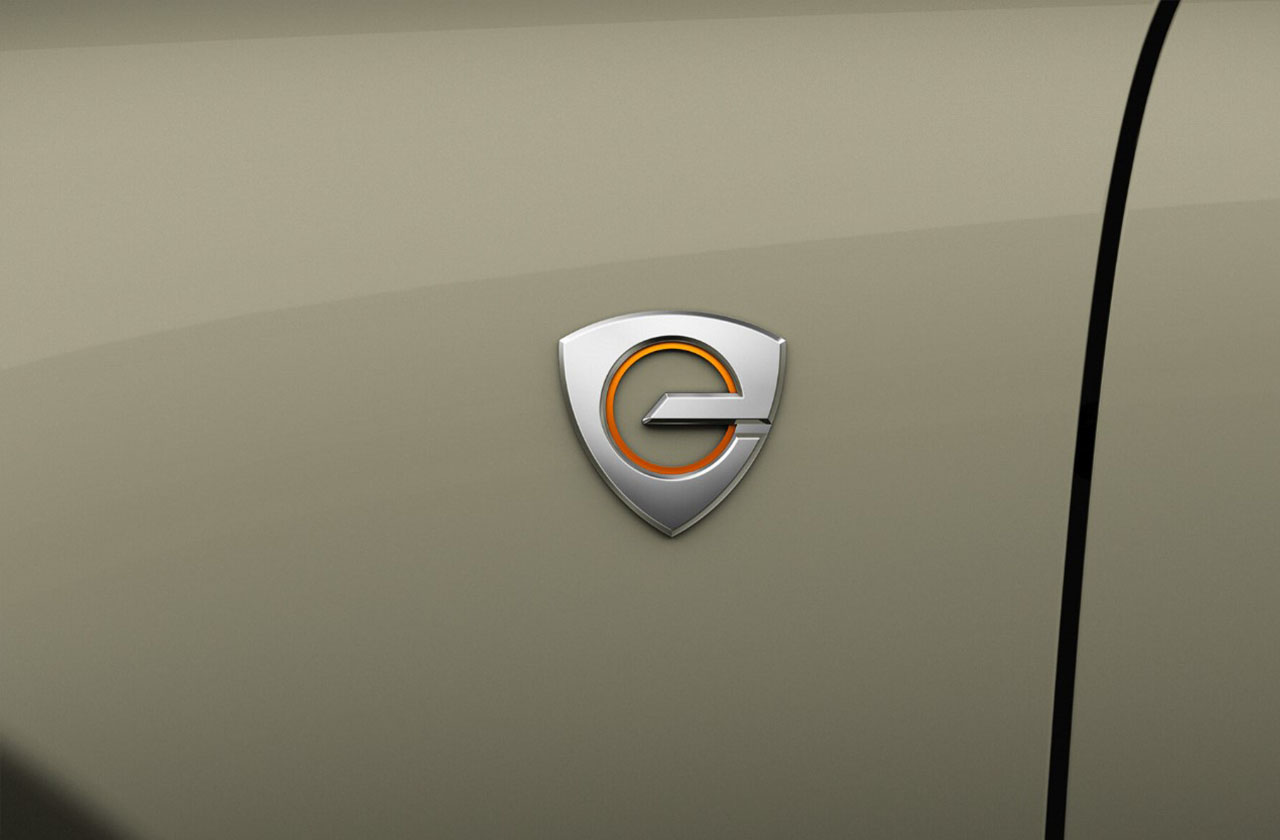
All Mazda MX-30 R-EVs carry a signature rotor badge on the body.
The MX-30 R-EV is currently the world's only mass-produced vehicle with a rotary piston engine.
The Mazda MX-30 e-SKYACTIV R-EV will go on sale on February 1, and first it will be brought to the EU market, in Germany the novelty will cost from 35,990 euros - the same amount they ask for a regular MX-30 EV battery electric car.
Mazda has returned to its range of rotary piston engine